The NFL plans to tell its clubs that players returning to play in college will be prohibited from signing this season with a league team, ESPN reported on Wednesday.
The report said the NFL will clarify at some point during a special league meeting on Wednesday the rules that remain unaltered while the NCAA and its conferences grapple almost daily with a fast-changing landscape on student-athletes’ fifth year of college eligibility.
Any player signed to an NFL contract who is then cut becomes a free agent, free to sign with another league team, the Canadian Football League or return to college. A player who is cut and returns to college this year is considered a free agent and not subject to a future draft, per the report.
Landing spots for such players may become limited — barring potential future litigation and other legal maneuvers. The Big Ten and Southeastern conferences announced rule changes Tuesday that prevent players who have previously been with an NFL team from returning to play college football at one of their schools.
In the wake of a court order in Louisiana granting several undrafted free agents an unexpected fifth year of NCAA eligibility, the Big Ten’s athletic directors unanimously adopted a new rule Tuesday. Hours later, the SEC followed suit.
The SEC’s decision is especially notable because LSU and head coach Lane Kiffin added — or intended to add — multiple players waived by their NFL teams in training camp.
The Big Ten’s rule prohibits football players specifically from “maintaining eligibility for athletic competition at a conference institution” if they were ever on a professional roster or “declared for the NFL draft as an underclassman without withdrawing.”
According to CBS Sports, Big Ten coaches and schools can be punished if they ignore the new rule.
The SEC later announced its rule, a result of meetings with “the presidents, chancellors and athletic directors” of the conference.
That league’s rule covers not only players with any NFL ties but also basketball players who declared early for the NBA or WNBA draft, signed a contract in those leagues or the G League or other affiliates, or were ever listed on a professional roster.
Prior to the Big Ten revealing its rule change, the SEC’s presidents and chancellors released a joint statement saying athletes who have signed pro contracts “should not then be permitted” to return to college sports.
Kiffin, in particular, sought to take advantage of a judge’s ruling that granted a small pool of players another year of eligibility.
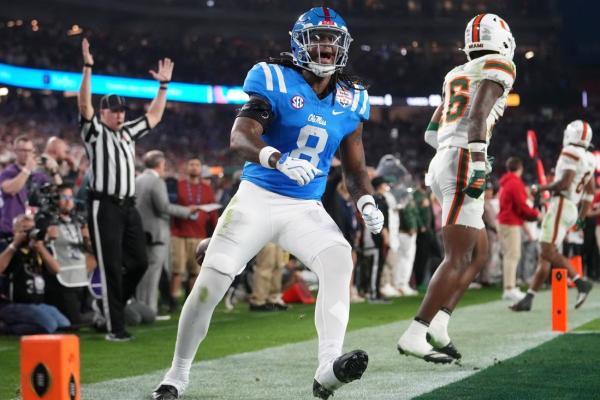
Tight end Dae’Quan Wright, who played for Kiffin at Ole Miss over the past two seasons, planned to join LSU once he cleared NFL waivers. Wright spent time with the Philadelphia Eagles and Cleveland Browns this summer.
On Monday, former Ole Miss defensive lineman Zxavian Harris, who had been waived by the New Orleans Saints, revealed on his Instagram account that he intended to join Kiffin at LSU, labeling it a “business decision.”
Wright, Harris and 14 other players gained one additional year of NCAA eligibility thanks to a Louisiana court that granted them a temporary restraining order last week, allowing them to enter the transfer portal to keep their options open. The order is related to the NCAA’s new age-based eligibility model, which allows five seasons within a five-year window and did not cover players from the high school Class of 2022 who had already exhausted their eligibility.